A film looking at the past to warn about the future, from a little boy's point of view. A companion to ‘American Dreams (lost and found)’ (1984)
Shows masked mental patients enacting various schizophrenic symptoms as they were understood at the time. A disturbing film that raises questions about the condition and treatment of its subjects. (archive.org) “Abstract: This film describes and demonstrates four types of schizophrenia. Filmed at various New York institutions, it shows patients singly and grouped in large, outside recreational areas. Some patients are blindfolded. Symptoms shown include: social apathy, delusions, hallucinations, hebephrenic reactions, cerea flexibilitas, rigidity, motor stereotypes, posturing, and echopraxia.” (Guide to Mental Health Motion Pictures)
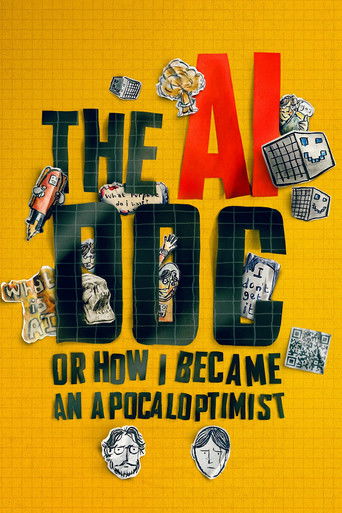
A father-to-be tries to figure out what is happening with all this AI insanity, and explores the most powerful technology humanity has ever created... and what's at stake if we get it wrong.
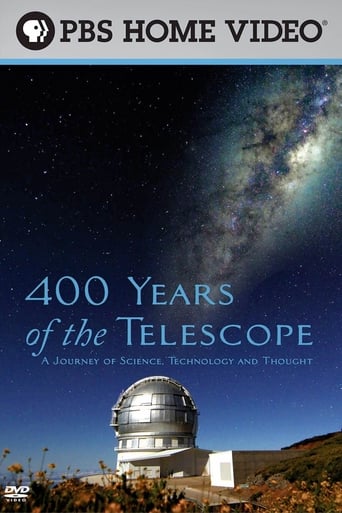
A documentary chronicling the history of the telescope from the time of Galileo. Featuring interviews with leading scientists discussing Galileo's first use of the telescope to the latest discoveries in cosmology.
The controversial life story of America's greatest exotic dancer, who at 87 years old is preparing for her final and most important act: to repair her broken relationship with her daughter Patricia, who she walked away from fifty years ago.
This "Theater of Life" series short focuses on a medical services ship that stops in the native village of Haines, Alaska. The natives are depicted as superstitious of modern medicine. In the end, however, youngster Ralph Sarlan (the only person identified by the narrator) is taken by airplane to get corrective surgery on his deformed foot.
During the last three decades, war and terrorism have devastated much of Afghanistan's rich cultural past. Two giant Buddha statues were blown up by the Taliban, gold and priceless archaeological artifacts disappeared, artworks were destroyed, historic films were burned. But many courageous Afghan people were determined to save their heritage. Join National Geographic as it highlights the efforts of heroic Afghans who have refused to allow their culture to be destroyed. Marvel at the priceless treasures that have re-emerged, and listen to the stories of people who risked death to defy extremists threatening to obliterate Afghanistan's past, and of others with deep roots in the country who can finally come home now that the conflict has subsided.
'After doing a re-make of John Cassevetes’ "Faces" [1968], I decided to re-make another American classic, Dennis Hopper’s "Easy Rider" [1969]. "Easy Rider" interests me in two ways: its portrayal of 60’s counterculture – unlike "Faces" which for me is more about the 50’s – and its search for place. I divided the original film into scenes (like I did with "Faces") and then replaced each scene with one shot filmed at the original location (unlike "Faces" where shots were gleaned from the original film itself). My "Easy Rider" tries to find today’s counter-culture (if one exists) by replacing the 60’s music with music that I listen to today.' ~ James Benning
This documentary explores the connections between nuclear weapons production, nuclear power, and their human and environmental consequences. Through archival footage and interviews with residents living near the Rocky Flats nuclear weapons plant in Colorado—as well as survivors of atomic bombing and nuclear testing—Dark Circle traces the development of the atomic age and its lasting impact on communities exposed to radioactive contamination.
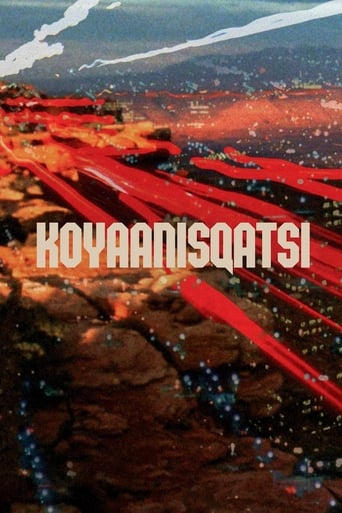
Takes us to locations all around the US and shows us the heavy toll that modern technology is having on humans and the earth. The visual tone poem contains neither dialogue nor a vocalized narration: its tone is set by the juxtaposition of images and the exceptional music by Philip Glass.
The Steel Porcupine is an unforgettable cinematic experience that exposes Russia's campaign of extermination in Ukraine, the Ukrainian people's spirit to resist and prevail, and the world's response. Blending rare archival footage with original material, it is a work of art-both informative and emotional-tracing the aftermath of murder, mass rape, child abductions, and a systematic effort to erase Ukrainian identity. It cinematically reveals Russia's national project to erase all things Ukrainian, and the determined fight by Ukrainians and their allies to resist and prevail. It's the fight of free people to stay alive and stay free.
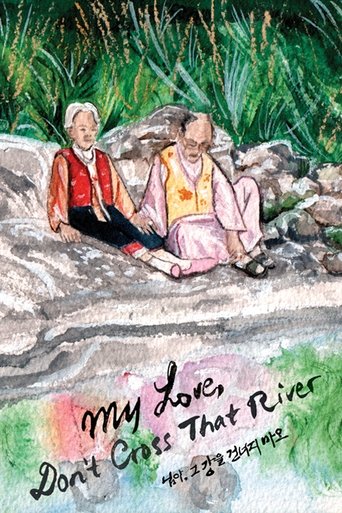
There lives a couple known as "100-year-old lovebirds". They're like fairy tale characters: the husband is strong like a woodman, and the wife is full of charms like a princess. They dearly love each other, wear Korean traditional clothes together, and still fall asleep hand in hand. However, death, quietly and like a thief, sits between them. This film starts from that moment, and follows the last moments of 76 years of their marriage.
An in-depth look at an incredible moment in film history when Steven Spielberg and George Lucas assembled an amazing creative team to collaborate on another cinematic benchmark featuring never-before-seen footage and interviews with Spielberg, Lucas, Harrison Ford, Kathleen Kennedy, Frank Marshall, James Mangold, and many others as well.
After one of the hottest years on record, Sir David Attenborough looks at the science of climate change and potential solutions to this global threat. Interviews with some of the world’s leading climate scientists explore recent extreme weather conditions such as unprecedented storms and catastrophic wildfires. They also reveal what dangerous levels of climate change could mean for both human populations and the natural world in the future.
Looping, chugging and barreling by, the trains in Benning's latest monumental film map a stunning topography and a history of American development. RR comes three decades after Benning and Bette Gordon made The United States of America (1975), a cinematic journey along the country’s interstates that is keenly aware “of superhighways and railroad tracks as American public symbols.” A political essay responding to the economic histories of trains as instruments in a culture of hyper-consumption, RR articulates its concern most explicitly when Eisenhower's military-industrial complex speech is heard as a mile long coal train passes through eastern Wyoming. Benning spent two and a half years collecting two hundred and sixteen shots of trains, forty-three of which appear in RR. The locomotives' varying colors, speeds, vectors, and reverberations are charged with visual thrills, romance and a nostalgia heightened by Benning's declaration that this will be his last work in 16mm film.
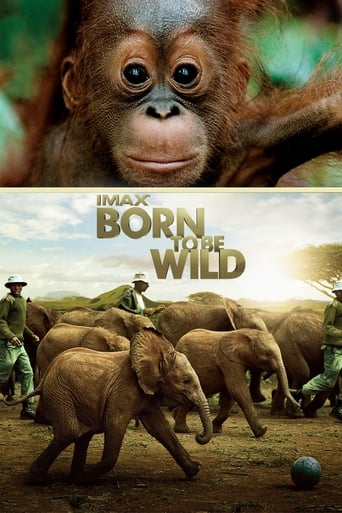
Born to Be Wild observes various orphaned jungle animals and their day-to-day behavioural interactions with the individuals who rescue them and raise them to adulthood. The film unfurls in two separate geographic spheres. Half of it takes place in the rain forests of Borneo, where celebrated primatologist Dr. Birute Galdikas assists baby orangutans; the other half takes place on the arid savannahs of Kenya, where zoologist Dame Daphne Sheldrick works with baby elephant calves.
His unforgettable scores are an essential part of some of the most beloved movies of our time, over a career that spans decades. See and hear maestro John Williams' own story, with insights from filmmakers, musicians, and others he has inspired, complete with rare behind-the-scenes looks at the making of movie history.
Learn the incredible behind-the-scenes story of how the original Star Wars movie was brought to the big screen in this fascinating documentary hosted by C-3PO and R2-D2 which includes interviews with George Lucas and appearances by Mark Hamill, Harrison Ford and Carrie Fisher.
A reenacted short from 1899 produced by Thomas Edison’s company during the Philippine-American War. The film dramatizes an engagement in which Filipino forces are routed (defeated) by U.S. troops. It was part of a wave of patriotic war “actualities” designed to appeal to American audiences, stirring imperialistic sentiments.
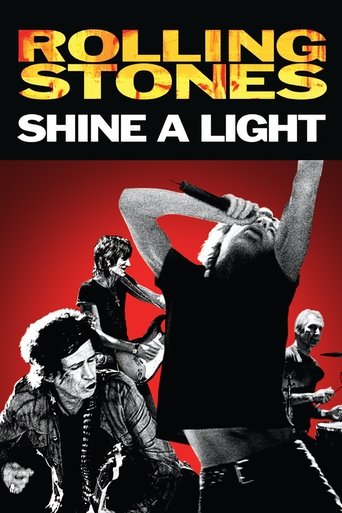
Martin Scorsese’s electrifying concert documentary captures The Rolling Stones live at New York’s Beacon Theatre during their A Bigger Bang tour. Filmed over two nights in 2006 with an all-star team of cinematographers, the film combines dynamic performances with archival footage and rare glimpses behind the scenes, offering a vibrant portrait of the band’s enduring energy and legacy.
Activate your FREE Account!
You must create an account to continue watching